



NATIVE PLACES: THE NEWSLETTER
A collection of thoughts and hand-drawn sketches that illustrate the value of looking closely at buildings and places.
A Paint Brush in the Freezer
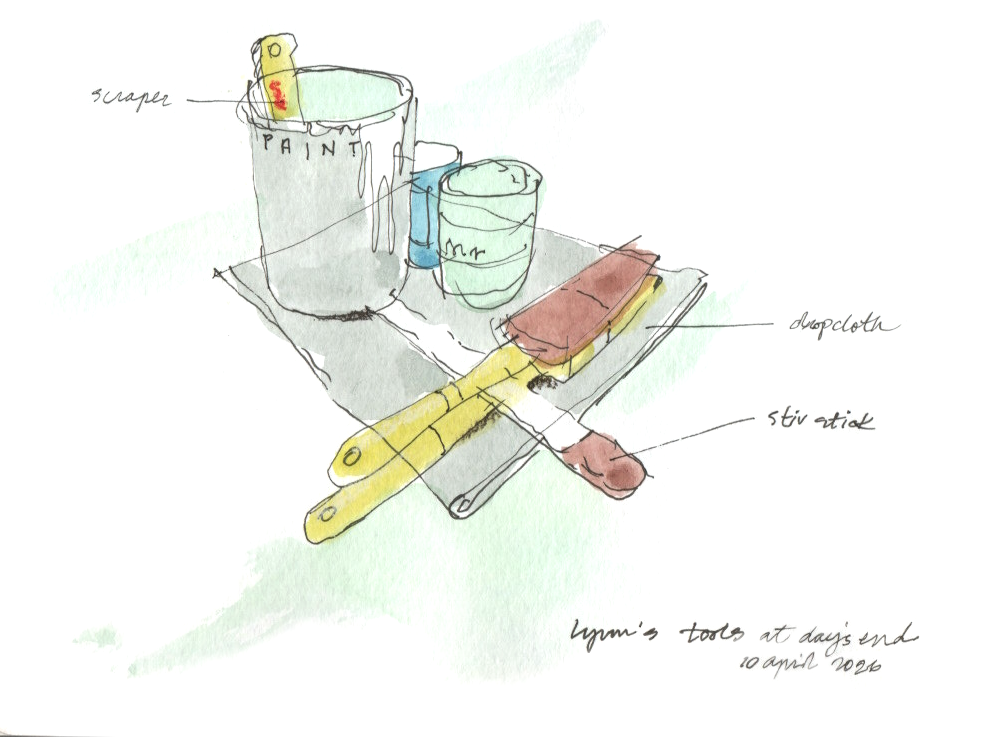
I’d been hearing so many dark stories about the national debt, opening and closing the straits, algae on the National Mall, and toxic lettuce that I needed something to lift my spirits. But when I reached in the freezer for a treat, I found a three-inch-wide, wood-handled paint brush wrapped in plastic right next to the Klondike bars.
I felt better already.
Lynn, my friend and go-to painter, had been working in my house recently. And I remembered him telling me, “If you’re going to paint the next day, it doesn’t make sense to clean your brush every night. Just freeze it.”
Lynn is a disciple of order. He always wears white work clothes and organizes his drop cloth before he begins. When he’s done for the day, he lines up his paint cans, folds his drop cloth, and stows his paint brush in the freezer. Then he goes home for supper.
It’s a kind of benediction.
Every fall Lynn goes back to Virginia, where he grew up, to make apple sauce at his church. When I got the flu once, he brought me a jar.
It’s a fine thing when someone comes along who brings order into a messy world.
Just remember to leave room in the freezer.
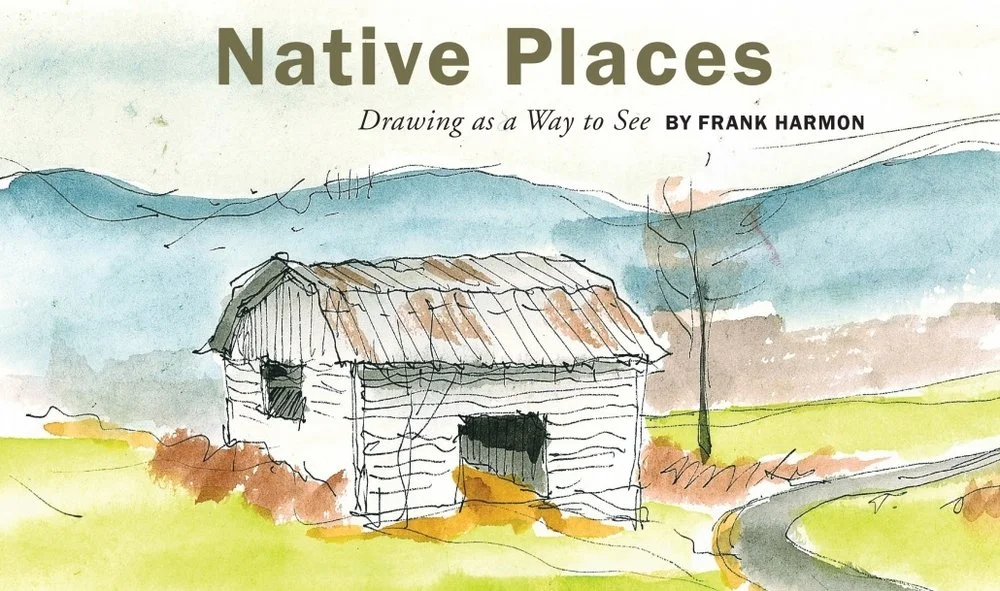
Native Places: Drawing as a Way to See: A book by Frank Harmon. To learn more click here.
Frank Harmon is an architect, educator, and writer who is well known for designing buildings that cultivate the “native wisdom” of their place.
He sketches often, finding that the practice enriches his connection to the world. In his recently released book, Frank offers an invitation: drawing as a way to inspire curiosity, presence, and everyday joy.